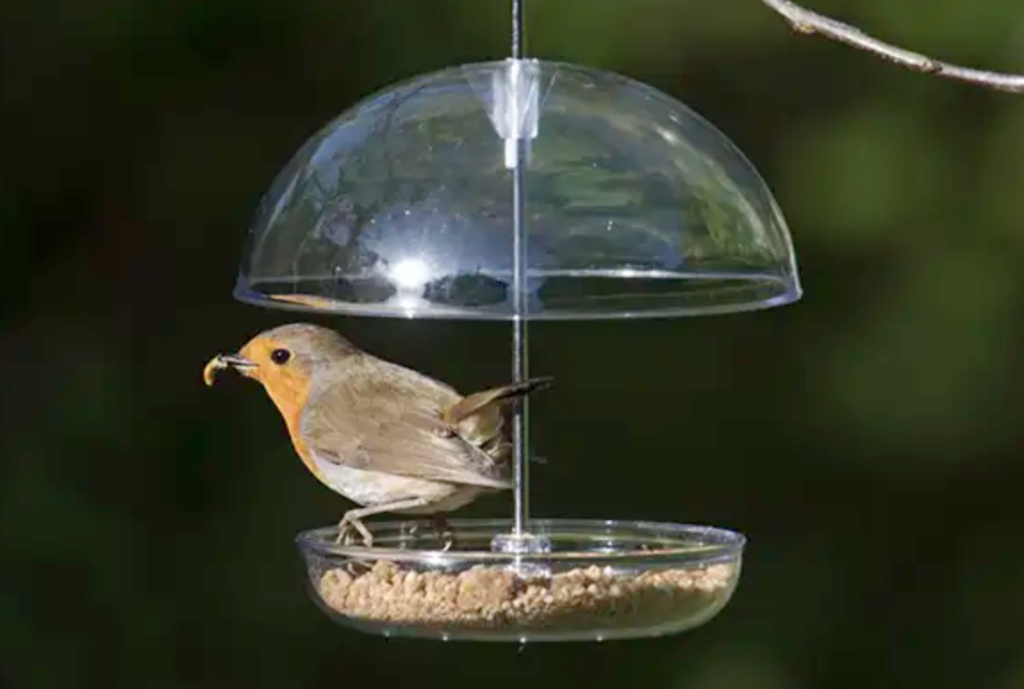
I still remember the first robin that landed in my garden like it owned the place—calm, curious, and a little proud.
For robins and sparrows, a low, open bird table and a small, easy-to-perch feeder work best. Offer mealworms for robins and mixed seeds for sparrows, plus fresh water nearby.
If you want more birds, don’t start with “fancy.” Start with what they naturally like.
Understanding the Feeding Habits of Robins and Sparrows
Robins and sparrows are both common garden birds, but they don’t eat in the same way—or in the same place.
Robins prefer ground-level feeding (worms, insects, soft food). Sparrows are classic seed eaters and feel safer feeding in groups on raised feeders or tables with cover nearby.
Here’s a quick story.
A few years ago, I set up one “beautiful” hanging feeder—very clean, very modern.
Guess what happened?
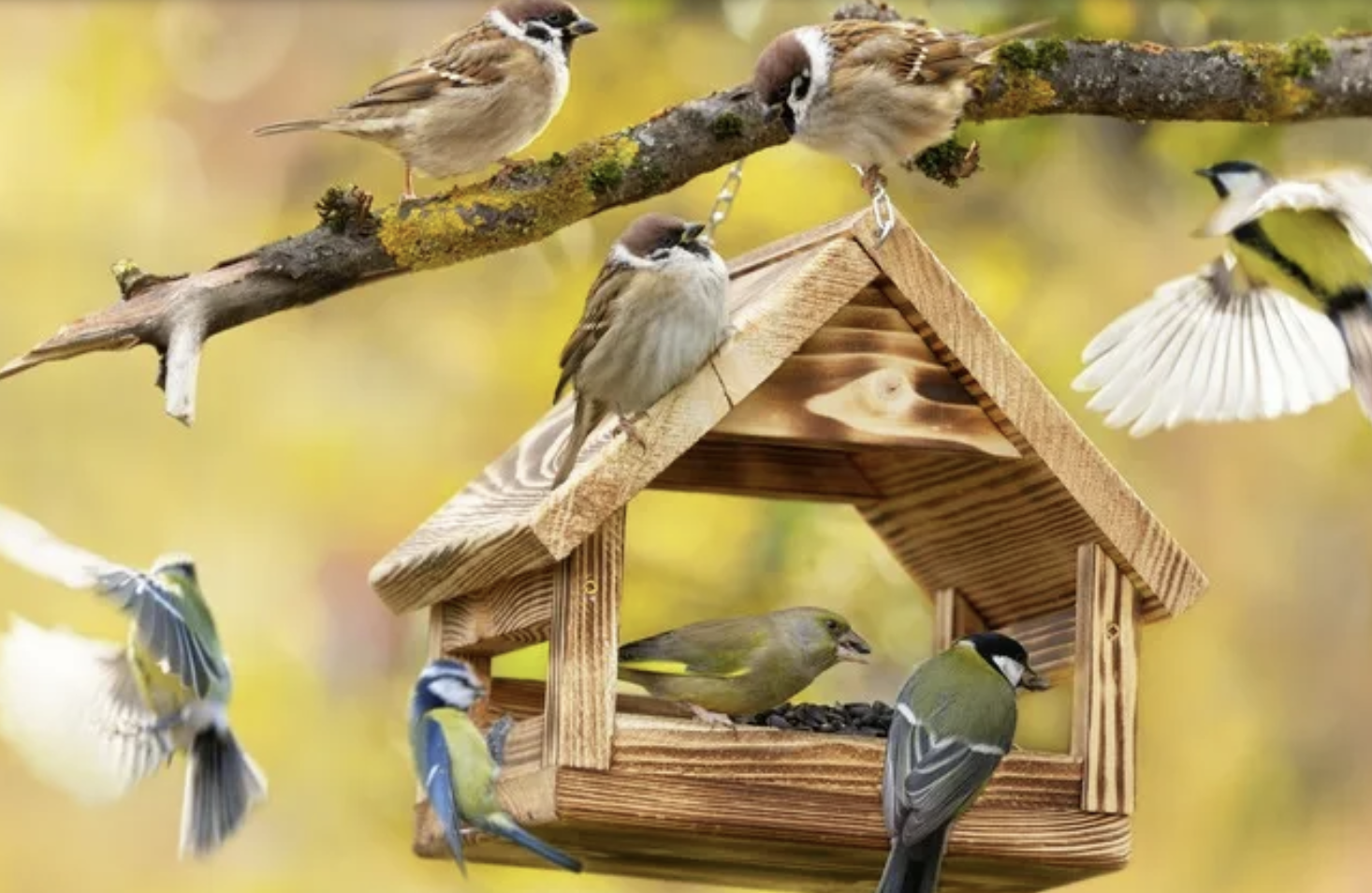
Sparrows came quickly. Robins ignored it completely.
That’s when I learned something simple: robins are not trying to “hang out” on feeders. They’re more like ground hunters. They watch, hop, listen, and peck. A feeder that swings in the air doesn’t match their personality.
Sparrows, on the other hand, are busy little commuters. They love seeds, they eat fast, and they prefer a setup where they can land, snack, and leave—especially when they’re in a group.
What robins usually eat
Robins go for:
- mealworms (fresh or dried)
- earthworms (if your soil is healthy)
- insects and larvae
- soft fruits (small pieces)
- fat-based food in winter
They also like quiet feeding spots. Too much movement and they’ll back off.
What sparrows usually eat
Sparrows love:
- mixed seeds
- sunflower hearts
- millet
- cracked corn (small amounts)
- suet crumbs
They are less shy. They are also more “social.” If one finds food, others follow.
The biggest feeding mistake I see
Many gardens offer only one thing: a seed feeder.
That’s fine for sparrows.
But for robins, it’s like opening a noodle shop and expecting a steak lover to walk in.
If you want both birds, you need two food styles:
- soft/ground-style food for robins
- seed-based food for sparrows
If you’re building a simple plan, I like this combo:
mealworm feeding dish + seed feeder with perches + water bowl
Bird Feeder or Bird Table: Which Works Better for Robins and Sparrows?
For these two birds, it’s not “either/or.” A smart setup uses both—but for different reasons.
A bird table usually works better for robins because it mimics ground feeding. A feeder works better for sparrows because it delivers seeds cleanly and lets them perch and eat fast.
Let me explain it like this:
A bird table is like a small outdoor café.
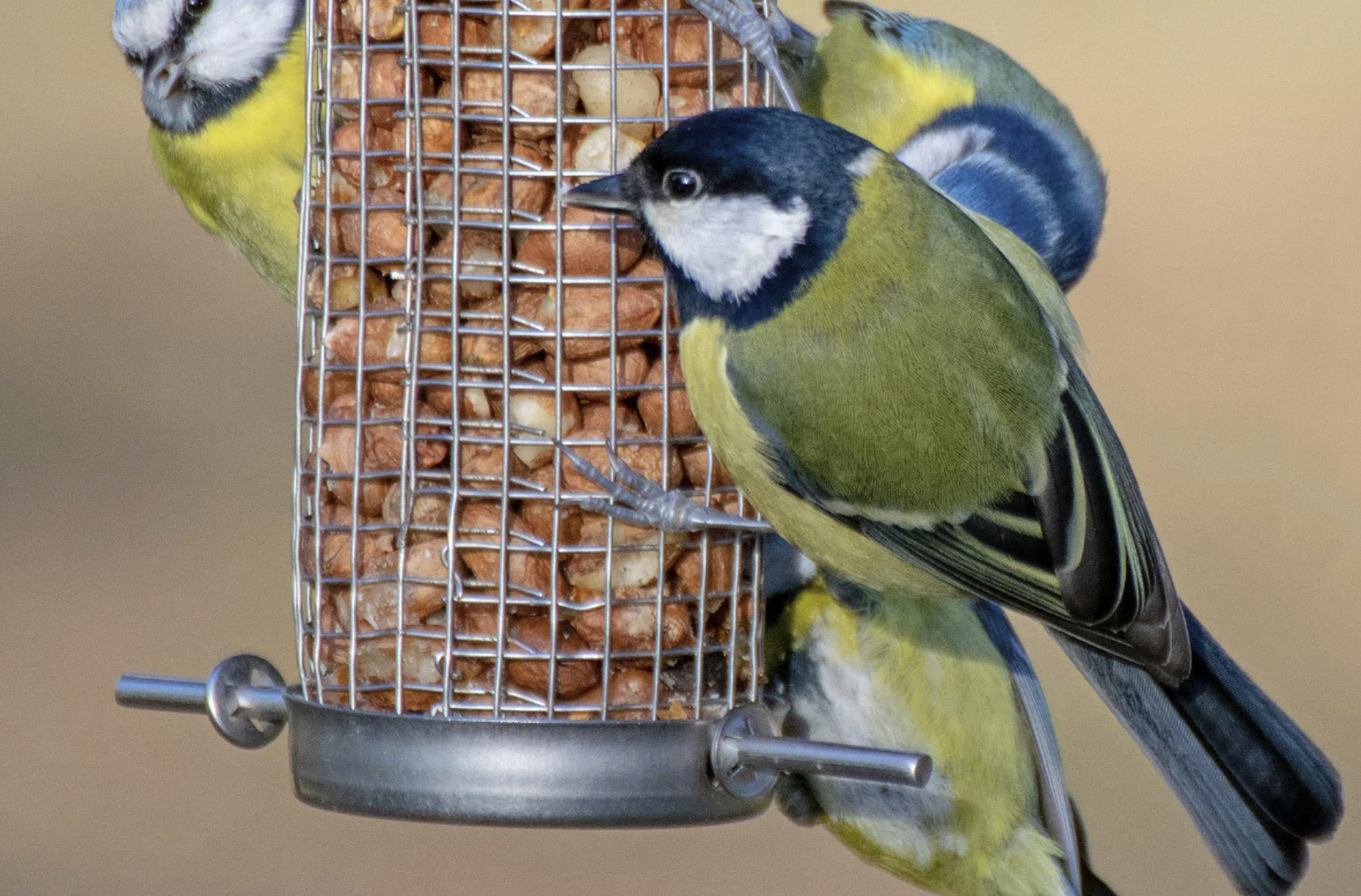
A bird feeder is like a vending machine.
Robins prefer the café. They want space, visibility, and soft food.
Sparrows love the vending machine. Quick seed access, perch, go.
When a bird table wins
A bird table is great when you:
- want to attract robins
- want to offer mealworms, fruit, or suet pieces
- need a stable feeding platform (not swinging)
- want birds to feed more naturally
But… bird tables need good hygiene. If food gets wet and old, it becomes a problem fast.
When a feeder wins
A feeder is best when you:
- want to attract sparrows and other seed-eaters
- want cleaner, drier seed storage
- want to reduce waste
- want to control portion flow
For sparrows, I like feeders with:
- short perches
- easy refill tops
- clear seed level window (so you don’t forget)
My simple rule for most gardens
If you want both robins and sparrows, do this:
- Put a small bird table low or mid-height for robins
- Put a seed feeder higher for sparrows
- Keep them a short distance apart to reduce crowd pressure
Here’s a quick comparison:
| Option | Best for robins | Best for sparrows | Common risk |
|---|---|---|---|
| Bird table | ✅ Yes | ✅ Yes | Needs cleaning, food gets wet |
| Hanging seed feeder | ❌ Usually no | ✅ Yes | Robins often ignore it |
| Ground tray feeder | ✅ Yes | ✅ Yes | Attracts pigeons if too open |
If you want a clean layout plan, I often sketch it with a garden feeding map and a weekly refill routine.
Best Types of Bird Feeders and Bird Tables for Small Garden Birds
Not every feeder is “small bird friendly.” For robins and sparrows, the best designs feel safe and easy to use.
For robins, choose low, stable trays or tables with a roof or nearby cover. For sparrows, choose tube feeders or hopper feeders with small perches, using mixed seeds and sunflower hearts.
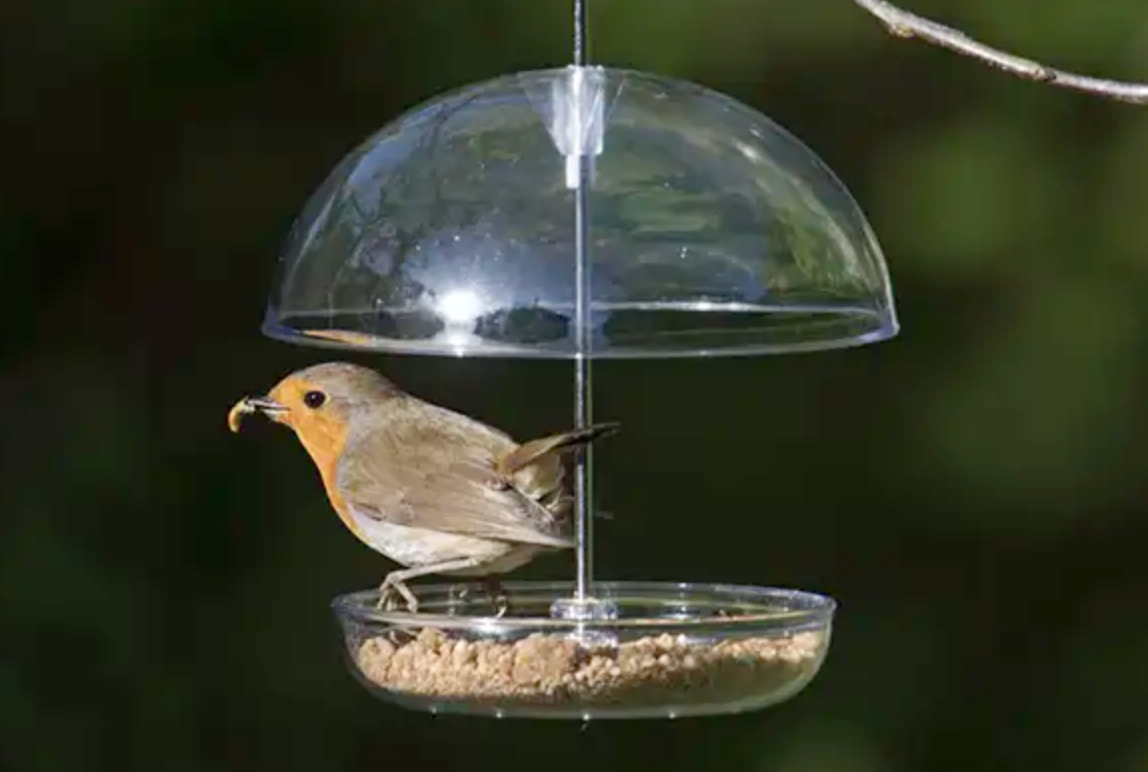
I’ll keep this practical, because I know Mark-style buyers hate messy advice.
Best bird table styles for robins (and also sparrows)
1) Covered bird table (with a simple roof)
A roof helps food stay dry. It also makes birds feel slightly safer.
Best for:
- mealworms
- suet crumbs
- fruit pieces
Tip: Use shallow dishes so food doesn’t pile up and spoil.
2) Low tray feeder (raised just a little)
This is one of the most “robin-friendly” options.
Why?
Robins love feeding close to ground level but still prefer a clear view.
I usually recommend placing it near shrubs, but not inside thick bushes.
3) Window or wall-mounted mini table (quiet corner)
If your garden is small, this can work well.
Just keep it away from heavy foot traffic.
Best feeder styles for sparrows (and small birds)
1) Tube feeder (small perches)
This is the classic sparrow feeder.
It keeps seed clean and reduces waste.
Use:
- mixed seeds
- sunflower hearts
- millet blends
2) Hopper feeder (with weather cover)
Good for gardens with more birds.
It holds more seed and refills are less frequent.
But choose one with:
- rain protection
- easy-to-clean access
3) Peanut feeder (only if safe and allowed)
Some sparrows will use it, but robins usually won’t.
Also, be careful with whole peanuts around very small birds. Many gardens prefer crushed or controlled formats.
Simple product matching guide (from my sales-side view)
| Bird type | Best setup | Food that works best |
|---|---|---|
| Robins | Low tray / table | Mealworms, soft fruit, suet crumbs |
| Sparrows | Tube or hopper feeder | Mixed seeds, sunflower hearts, millet |
| Both | Table + feeder combo | Soft food + seeds + water |
If you’re building a product page or a small range, I’d bundle it like this:
covered bird table + tube seed feeder + easy-clean water bowl
Tips to Attract Robins and Sparrows to Your Garden All Year Round
Birds don’t visit because your feeder is pretty. They visit because your garden feels safe, consistent, and easy to feed in.
To attract robins and sparrows year-round: offer the right foods (mealworms + seeds), keep water available, place feeders near cover but not too hidden, clean weekly, and feed consistently—especially in winter and breeding season.
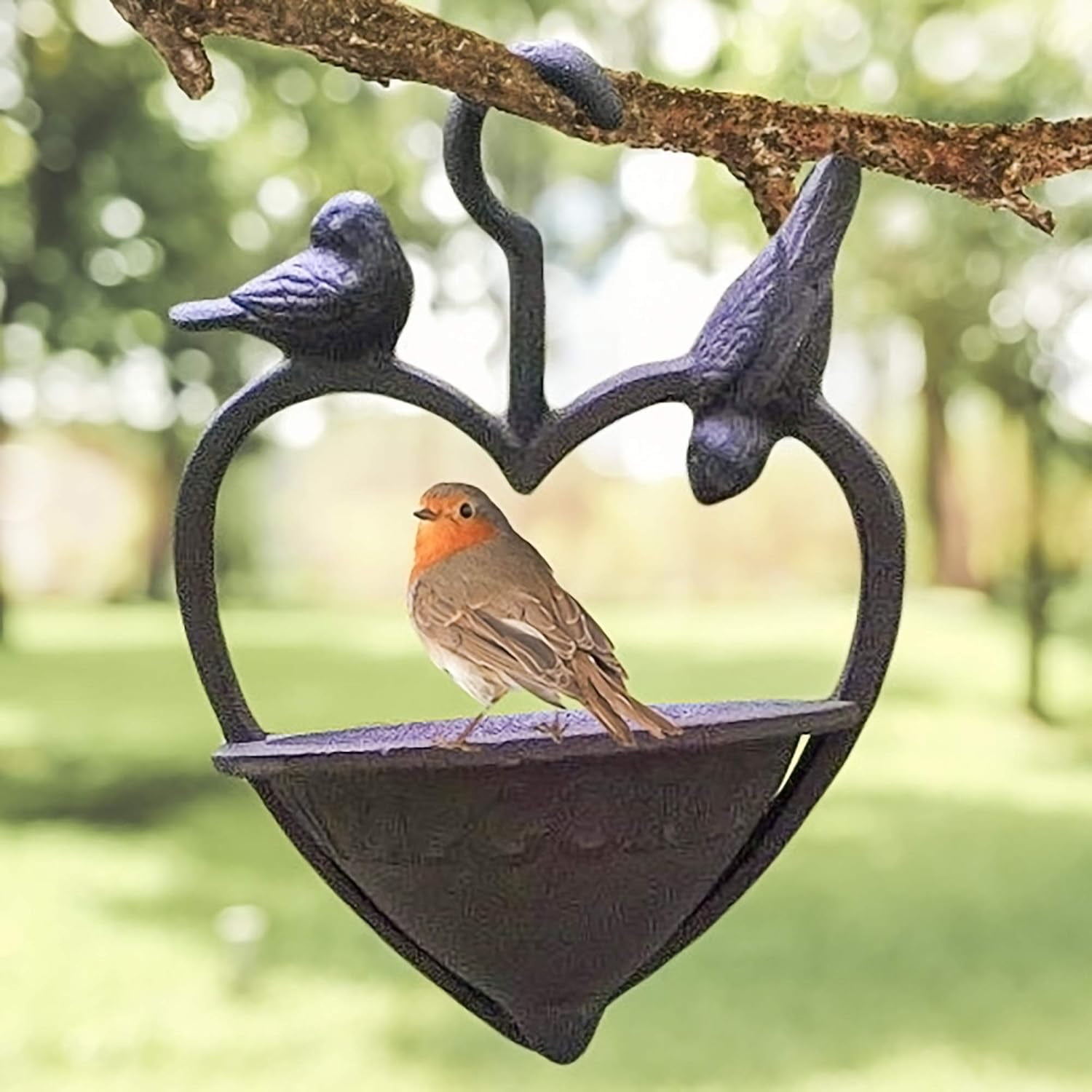
This is the part most people skip: routine.
Birds are tiny, but they notice patterns.
If food appears every day around the same time, they learn.
If food appears randomly, they treat your garden like a “maybe.”
1) Put water closer than you think
Food is important. Water is magnetic.
A simple water dish can bring birds in faster than a fancy feeder.
Keep it:
- shallow
- clean
- refreshed often (especially in summer)
2) Use cover, but don’t hide the feeder
Birds want a quick escape route.
Place feeders:
- 1–2 meters from shrubs or small trees
- not deep inside thick cover (predator risk)
- with a clear landing path
3) Adjust food by season (tiny change, big result)
- Spring: mealworms help robins during nesting
- Summer: keep water steady, reduce fatty foods
- Autumn: mix seeds + some fruit pieces
- Winter: suet, sunflower hearts, mealworms
4) Clean simply, but regularly
I keep it very simple:
- remove wet food daily (tables)
- wash feeders weekly
- don’t let mold build up
A dirty feeder can chase birds away—or worse.
5) Avoid the “one big pile of food” problem
If you overload food on a table, it gets wet and spoiled.
Small portions, refilled more often, works better.
A simple weekly routine I recommend
| Day | Task | Why it helps |
|---|---|---|
| Daily | Refresh water | Birds return faster |
| 2–3x/week | Refill small food portions | Keeps food fresh |
| Weekly | Clean feeder/table | Reduces sickness risk |
| Monthly | Move feeder slightly | Keeps area cleaner |
If you want a clean setup plan for a product guide, I often reference a seasonal feeding checklist and a small garden layout.
Conclusion
Use a low bird table for robins, a seed feeder for sparrows, and keep food + water steady all year.